Sub's Journey into the BDSM Scene: An Introduction to the Basics
Welcome to the fascinating universe of BDSM. BDSM, an acronym for Binding and Discipline, Domination and Submission, Sadism and Masochism, has long been misunderstood by mainstream culture, but it remains a significant, safe, and consensual practice within the letter circle.
BDSM Explained
In the BDSM community, the term is used broadly to describe interactions where elements of power exchange, trust, and sensory play come into play. The activities can range from mild power dynamics to intense psychological or physical exploration, but always within the framework of mutual agreement and affection.
Like all BDSM activities, they are based on consent and communication. Whether you identify as Dom, Sub, or switch player, understanding the key terms and foundational principles is essential for a safe and fulfilling exPErience in the BDSM scene.
Power Dynamics and Roles
Dom stands for Dominant, a person who takes the leading role in activities designed to help another person explore control, submission, trust, and boundaries.
Sub is short for Submissive. Submissives enjoy experiencing trust, authority, and service positions. They willingly submit to the guidance and instructions of their Doms.
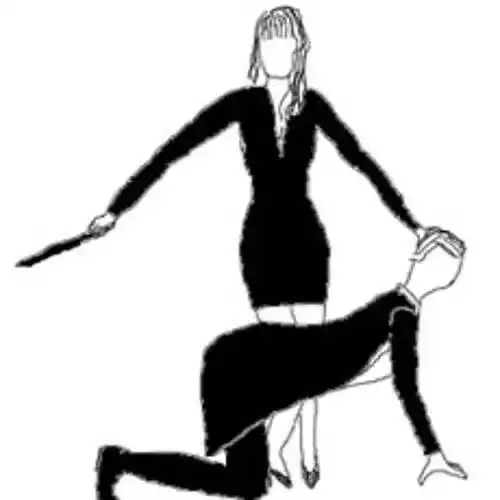
You might have also heard terms like DS (for Dom/Sub) or PE (Power Exchange). These terms represent specific dynamics within the BDSM activities that go beyond simply experiencing control or submission.
Interaction Script: Communication and Safety
Before exchanging enthusiastic consent for any BDSM activity, it's crucial to discuss boundaries and agree on safe words. This practice is deeply rooted in the SSC principle: Safety, Sincerity, and Consent.
SSC principle stands for: Safety, Sincerity, and Consent. It's the golden rule in the letter circle, ensuring that all activities are respectful and voluntary.
Of course, if you are exploring Brat attributes for the first time, you will definitely need professional help in selecting safe words and understanding the difference between S/M and D/S relations.